

On this page
Placements re-measure a rating that survived the reset, and the first games move it in the largest steps of the season. The warm-up routine, the stop rule, and per-game notes for Valorant, League of Legends, Marvel Rivals and Call of Duty.
Placement matches get treated like paperwork, a handful of games to click through before the season starts properly. That is backwards. This is for the player who wants the first week of a season to be worth more than the next two months, and it applies across every ranked game we work in rather than to one title.
What placements actually do
Every competitive ladder worth the name keeps two numbers on you. One is the rank you see and argue about. The other is a hidden rating the matchmaker uses to build lobbies, and it is the one that matters. A season reset knocks the visible rank down and nudges the hidden rating toward the middle, but it does not delete it.
So placements are a re-measurement, not a fresh start. What the run decides is how much of the gap between your knocked-down display and your surviving hidden rating gets closed straight away. Players who understand this stop asking how to get a good placement rank and start asking how to make the system confident about them quickly, which is a much more answerable question.
Why the first games weigh more
Rating systems track not just an estimate of you but how sure they are about that estimate. Right after a reset the certainty is at its lowest of the whole season, so the system moves your rating in large steps in order to find you fast. As the sample grows, the steps shrink and the ladder becomes conservative.
That is the whole argument for treating the placement window as a focused event. A loss in your second game of a season moves your rating further than a loss in your fortieth, and the win on the other side of it moves it further too. It also explains the season-long frustration of the player who placed badly and then ground three hundred games trying to undo it, because each of those games was worth a fraction of the ones they threw away in the first hour.
A warm-up routine that earns its time
You do not need a two-hour ritual. You need to arrive at the first placement already warm, already decided, and not discovering a patch mid-match.
Fifteen to twenty minutes of mechanics. An aim routine, the practice range, a last-hitting drill, whatever the game rewards. Long enough to stop being cold, short enough that you are not tired.
One game that does not count. Unranked, casual, quick play. One, not three. The purpose is to get your decision-making running at match speed, not to play a session before your session.
Re-watch one round or one lane phase where you died last time you played. A single specific mistake in mind beats a general intention to play well.
Decide your role and your two picks before you queue. Flexing across roles during placements is the most common self-inflicted wound we see, because it gives the system five inconsistent data points instead of five consistent ones.
Check the patch. Resets usually land next to a balance update, and the first days of a season are when the meta is least settled and the cost of not reading the notes is highest.
When to stop
Stop after two losses in a row. This is not superstition about momentum, it is about where the rating system is at that moment. Tilt does not make you play dramatically badly, it makes you play slightly worse for several games in succession, and it does that at exactly the point where the ladder is moving your rating in its largest steps. A day off costs you nothing, because your hidden rating is not decaying overnight.
Stop when you hit the target, too. If you set out to place at a particular tier and the run gets you there with games left, there is no rule that says you must keep playing while your concentration is gone.
Booster tip: the customers who get the most out of a placement order are the ones who book it before the reset rather than after two bad games. Once the run has started, we are repairing a sample rather than setting one.
Placement order versus grinding it back later
The case for having placements played for you is not that the games are hard in isolation. It is the step size. Closing a given gap during the placement window takes a handful of results, and closing the same gap two months later takes many times more, because by then the ladder has decided it knows who you are and each win nudges rather than moves.
There is a second, quieter benefit. A rating set high early means the rest of your season happens in better lobbies, against players who rotate properly and use utility, which is the environment where your own play improves. Grinding upward from a bad placement means months in the lobbies you were trying to leave.
Per-game notes
Valorant
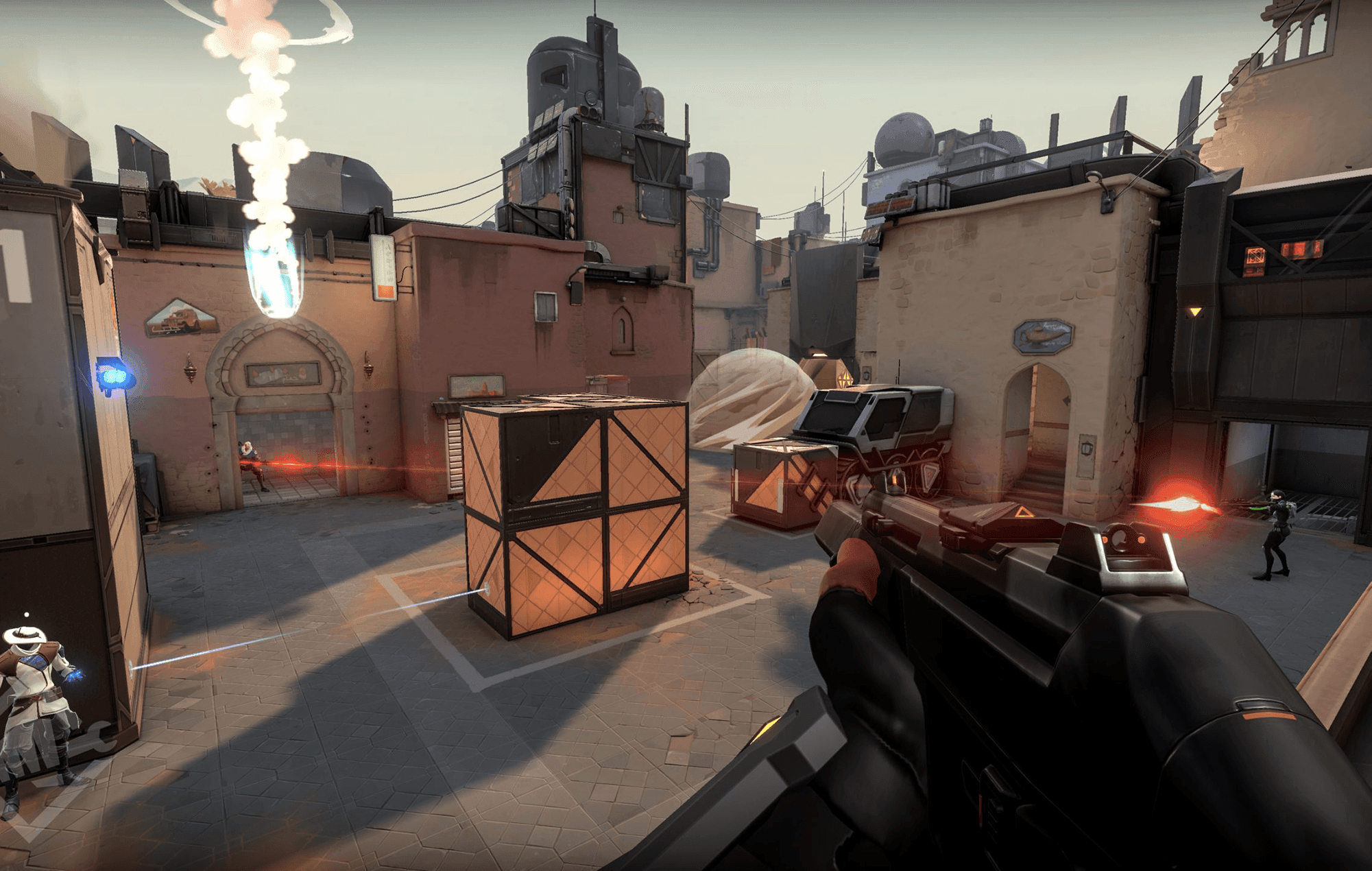
A short placement run at the start of each act reveals your rank again after the reset, with a larger reset between seasons. Your act rank badge is built from your strongest wins of the act, so a concentrated early run is visible on your profile for the rest of it. Role and agent consistency across the run matters more here than in most titles.
League of Legends
League runs several ranked splits a year and each one applies a soft reset with a short provisional run before your rank is shown. Role is the thing to control. A run scattered across autofilled positions produces exactly the inconsistent sample described above, so pick a primary, accept a secondary you can actually play, and keep the champion pool small.
Marvel Rivals
Competitive opens each season by knocking the displayed rank down and asking for a short run before it is shown again, and the ladder is a single rank rather than one per role. What the run still rewards is a settled role. Deciding before you queue whether you are placing as a Vanguard, a Duelist or a Strategist gives the system a consistent sample and leaves you with a rank you can hold afterwards. The career tab states how many placements the current season asks for, and that number has changed before.
Black Ops 7 and Warzone
Ranked Play placements set the division your account re-enters at, and because the ladder protects you from falling back through a tier you have already crossed, that entry point is unusually sticky. Warzone re-places you into its own rating in much the same way. We do not sell a placement service on either ladder, so this is the one entry on the list where the advice is simply to play your own run early, warm, and on the mode you intend to spend the season in.
What to do with the rest of week one
The placement window is not the only part of the first week that is worth more than usual. For several days afterwards the ladder is still resolving where everyone belongs, so lobbies are unusually mixed and the rating steps have not fully shrunk yet. Keep the same discipline going, which means short sessions, one role, and a hard stop on a losing run.
Play your ranked games early in the session, not after an hour of casual.
Keep the same role and the same small pool you placed on.
Log the games you lost badly and review one of them rather than all of them.
Do not chase the rank back the same night you lost it.
Where to go next
Placement orders are priced per title against your own start and target.
Like This Guide?
Pick your game and goal in the calculator, see the full price before checkout, and talk to your booster in the order chat while the work runs.