


ell****ico
Skilled booster
Perfect communication and efficient and fast
Completed by morgadoVerified
Valorant Boosting by Players Who Live on the Leaderboard
Rank boosting, duo queue, win packages and placement matches — handled by Radiant and Immortal boosters on PC, PS5 and Xbox. Offline Mode on every order. Boosting since 2006.




All prices include VPN, offline mode and live order chat. Final price updates in the calculator.
Most people arrive wanting “a boost” and buy the wrong one. The services split cleanly by what you're chasing.
Any rank guaranteed · 24-72h average completion · All servers, agents, roles
From $7.00Duo with a Radiant-level pro · Learn while you climb · Flexible session windows
From $10.00Losses covered, wins guaranteed · Same-day start · 1-20+ wins per order
From $7.0070% win rate guaranteed · All 5 placements handled · Best starting rank for the act
From $5.00Rank boost, duo, wins or placements. Set your current rank, your goal, your region and your platform. Add agent preferences or a role if you want your match history to stay consistent. The price updates live as you configure it.
Card, PayPal or crypto. No account needed to order — enter your email at checkout and your dashboard is built for you. Loyalty and volume discounts apply automatically when you're signed in.
Most orders are claimed within 15 minutes. Your booster connects through a region-matched VPN, plays in Offline Mode, and you can message them directly in your order chat for the whole run.
Watch the RR move live from your dashboard, or stream the games if you've added that option. When the target rank lands you review the order and release payment — not before.
Two decades in competitive gaming, tens of thousands of completed orders, and a support team that actually shows up -Here's why players trust us.
Boosting since 2006, with more than 50,000 completed orders across the games we cover.
Tickets are answered around the clock, usually within 10 minutes. Live chat replies in under 60 seconds while it's open, and real people answer both.
The goal is simple: a smooth experience, a completed order, and a service you can feel good about.
Talk directly to the pro on your order, share your preferences and follow each step in order chat.
For account-play orders, VPN and offline or invisible mode are enabled by default. Live streaming is available if you'd like to watch the gameplay. See our Safety Policy.
Unlock lifetime discounts and take part in seasonal cashback every few months. We keep adding new rewards through our Loyalty Programme.
Feedback from Valorant players who stopped losing RR to lost causes and let a Radiant finish the climb.
 01
01Valorant gives you four ways to move a rank and they're not interchangeable. A rank boost gets you to a target tier. Duo queue climbs you on your own account without handing over credentials. Win packages bank a fixed number of victories when you need RR rather than a specific rank. Placements set your floor for the whole act, which is why five bad games in January can cost you until July. Pick the one that fits the problem you actually have — and if you're not sure, our live chat will tell you honestly, including when the answer is that you don't need to buy anything.
 02
02| Service | Best for | From |
|---|---|---|
| Rank Boosting | Fastest route to a specific rank. | $7.00 |
| Duo Boosting | Slower, safer, and you're on the server for it. | $10.00 |
| Wins | Right when you're close to a promotion, chasing act rewards, or you want RR without committing to a full tier climb. | $7.00 |
| Placement Matches | Five games at a season hard reset is worth buying. | $5.00 |
Every order runs behind a region-matched VPN. Your credentials are encrypted and not needed, we support QR direct login.
Your Pro appears offline in game. Never messages friends. Never accepts party invites. Never speaks in in-game chat. Leave specific notes in the order brief See how we keep every account safe in our dedicated safety section
Credentials go only to the assigned Pro. Nobody else on the team ever sees them. Deleted automatically when the order closes. Never shared
Pick your game, where you are now and where you want to be. The price updates as you make your selections, you can easily add extra options.
Can't find it here? Our team replies in about 2 minutes.

Plain definitions for the rating, order, account and platform words that appear on a configurator, a checkout and an order page, so you never have to guess what you are agreeing to.
7 min read
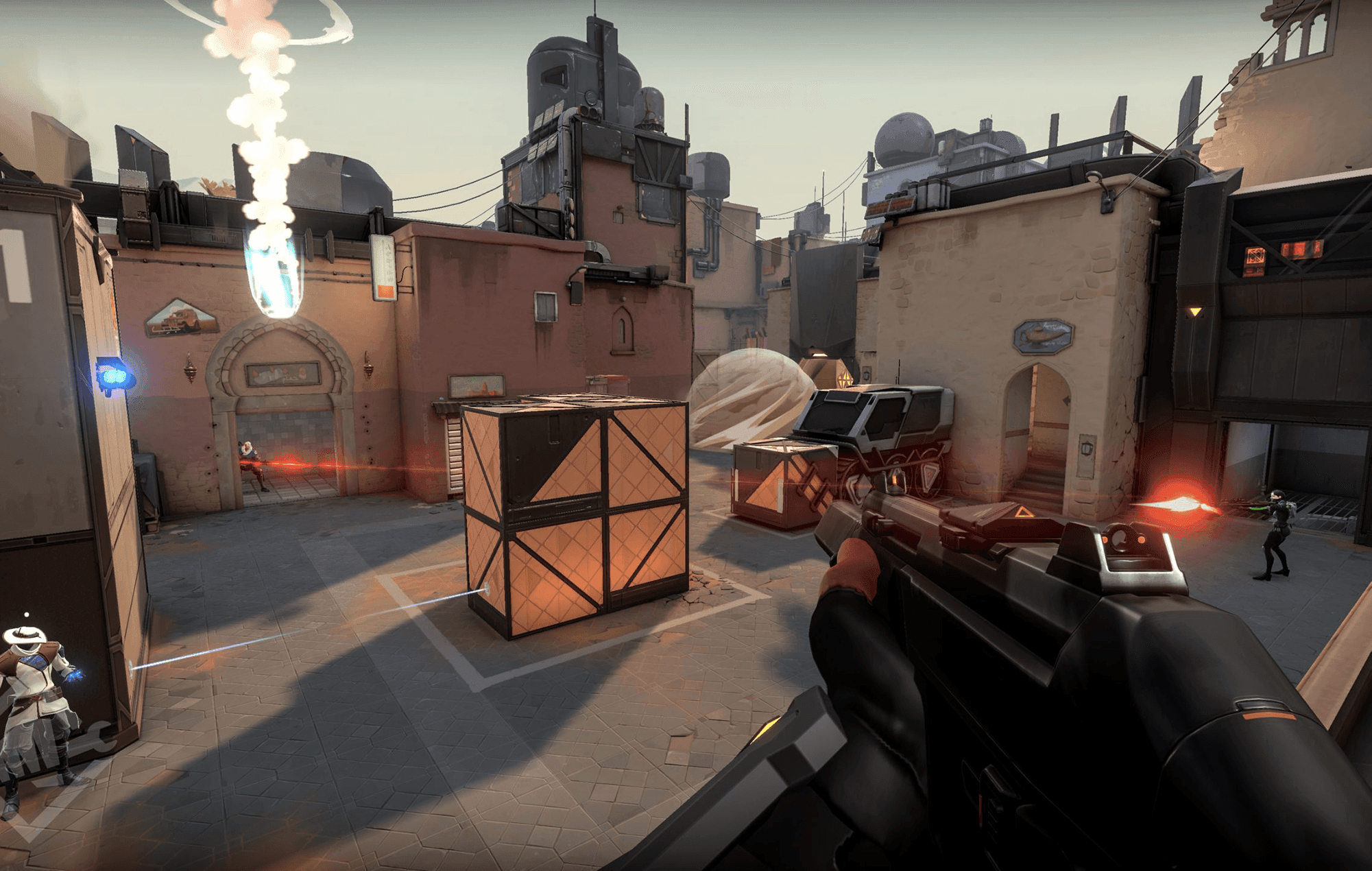
RR, the hidden MMR underneath it, what the act reset really does, why Riot's party rules put a ceiling on duo orders, and the three habits that decide whether the new rank sticks.
6 min read
We run three Call of Duty hubs, and they share an arsenal but not a ladder. What carries across Black Ops 7, Warzone and Modern Warfare 4, what does not, and which guide answers the order you have in mind.
4 min read

Tell us the target — a specific rank, a figure, a build maxed before the weekend. We price it and a verified pro takes it from there.