










TFT Rank Boosting — What You're Buying
The Simple Version
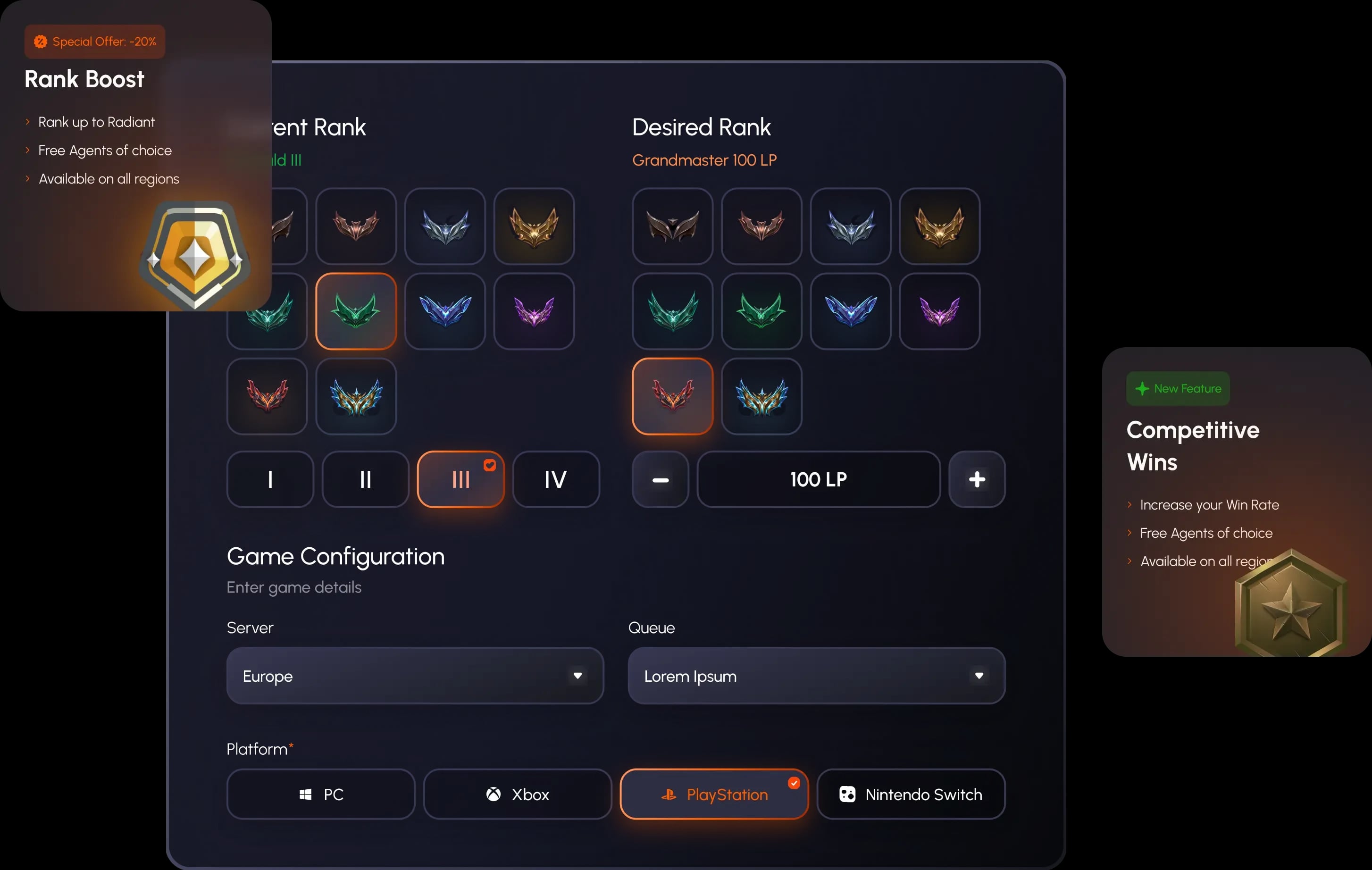
You pick a target rank. A verified Challenger-level player logs in through a VPN matched to your region, plays manually on the current set, and climbs until it lands. You watch the LP move from your dashboard and release payment when you're satisfied.
Everything below is why current-set knowledge matters more in TFT than raw rating does.
LP Is a Placement Problem, Not a Win Problem
This is the mechanic that shapes every TFT climb, and it's worth understanding before you order.
You don't win or lose a game of TFT. You finish somewhere between 1st and 8th. Top four gains LP. Bottom four loses it. The amount scales with how high or low you placed.
Which means a climb is not about forcing first places. It's about never finishing bottom four. A player who reliably lands 2nd to 4th climbs faster than one alternating 1sts and 8ths, because the losses cancel the spikes.
That's the single biggest difference between a good TFT booster and a Challenger who's having a bad week. Consistency compounds; highlight reels don't.
A Challenger Badge From Last Set Means Little
TFT resets more than your rank at every rollover. It replaces the units, the traits, the augment pool and the entire body of knowledge you'd built.
Set 18: Enchanted Wilds arrived in late August 2026 on patch 18.1, the first set built on Unreal Engine. It introduced Wisps — single-use power sources bought one at a time from the rightmost shop slot every other round, offering combat benefits, resources or high-risk payoffs. Traits include Blossom, Riftbeast, Coven, Elderwood, Sprykin, Blackthorn, Fae and Inferno.
Knowing when a Wisp purchase is worth the tempo loss is worth more right now than a peak rating earned on Space Gods. So we verify boosters on current-set performance, not on a badge from three sets ago. It's a different check and it's the reason our roster changes shape at every rollover.
The Bands Are Not the Same Job
Iron to Gold is the fastest ground on the ladder, and after a set reset it's crowded — everybody is down here, including a lot of people who don't belong. A knowledgeable player top-fours consistently and climbs quickly.
Platinum and Emerald is where most orders land. Lobbies have the basics right and games are decided by augment evaluation and roll discipline.
Diamond is a real job. Players here know the set, contest the same comps, and a single mispositioned carry costs a placement.
Master, Grandmaster and Challenger have no divisions at all — just a single LP pool. Grandmaster requires at least 200 LP in Master; Challenger requires at least 500 LP in Grandmaster, and both are competitive thresholds against your region rather than fixed gates. Apex climbs are priced and scheduled differently for that reason.
Extras Worth Knowing About
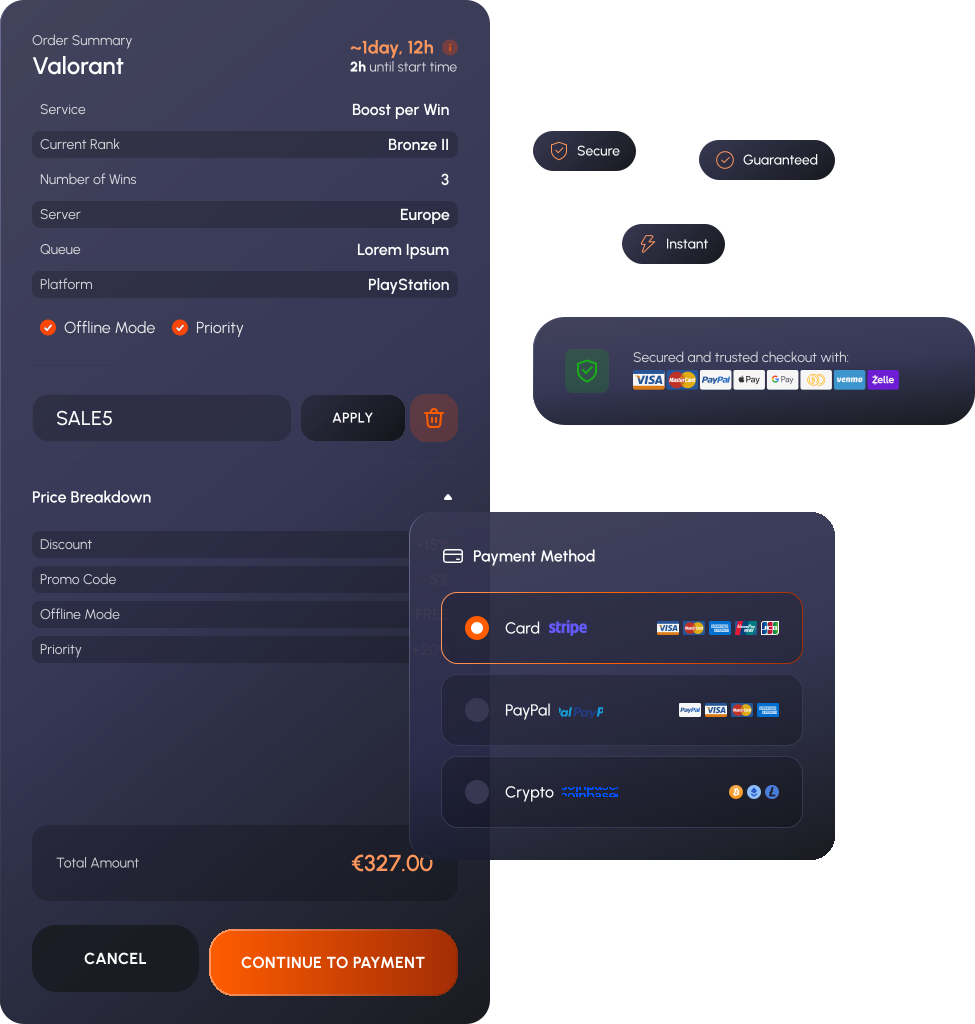
Priority moves you up the queue if you're against a set deadline.
Queue restriction at the top. Master and above can only queue with one other player within 400 LP. Relevant if you're climbing in order to Double Up with a friend later.
Pacing. TFT games run 30 to 40 minutes. A climb is a longer calendar commitment than the same number of games in a faster title, and your booster will agree a schedule with you rather than assuming.
Queue choice. Say whether you want Ranked or Double Up climbed. They're separate ladders with separate ratings, and an order on one does nothing for the other.
What a Good TFT Booster Actually Does
Not what most people picture, so it's worth spelling out.
They read the lobby before committing. The single biggest skill gap in TFT is knowing what's open — which comps nobody else is contesting — and pivoting into it rather than forcing a favourite line into a board four other people are fighting over.
They play the economy, not the highlight. Knowing when to slow-roll, when to push levels and when to take a loss streak deliberately is worth more than any individual unit decision.
They stop bottom-fouring. That's the actual product. A booster who never finishes 5th through 8th climbs faster than one who occasionally wins and occasionally implodes, because the losses cancel out the spikes.